Contact Us
Dunkermotoren Modular System
Find the right modular drive solution
Build your perfect gearmotor solution from a fully integrated modular platform
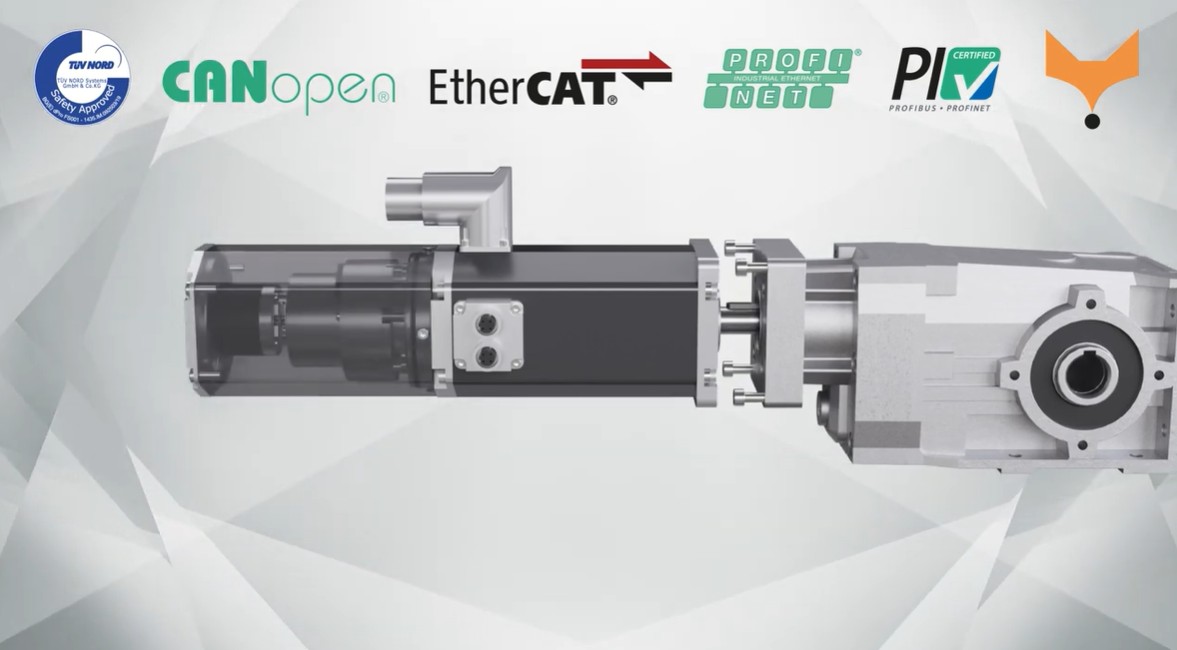
Modern motion control is rarely solved by a motor alone. In most machines, the required drive unit consists of a carefully matched combination of motor, gearbox, encoder, brake, controller, communication interface, and mechanical adaptation. Dunkermotoren’s modular system is designed to make these combinations technically consistent, configurable, and scalable from a single prototype to series production.
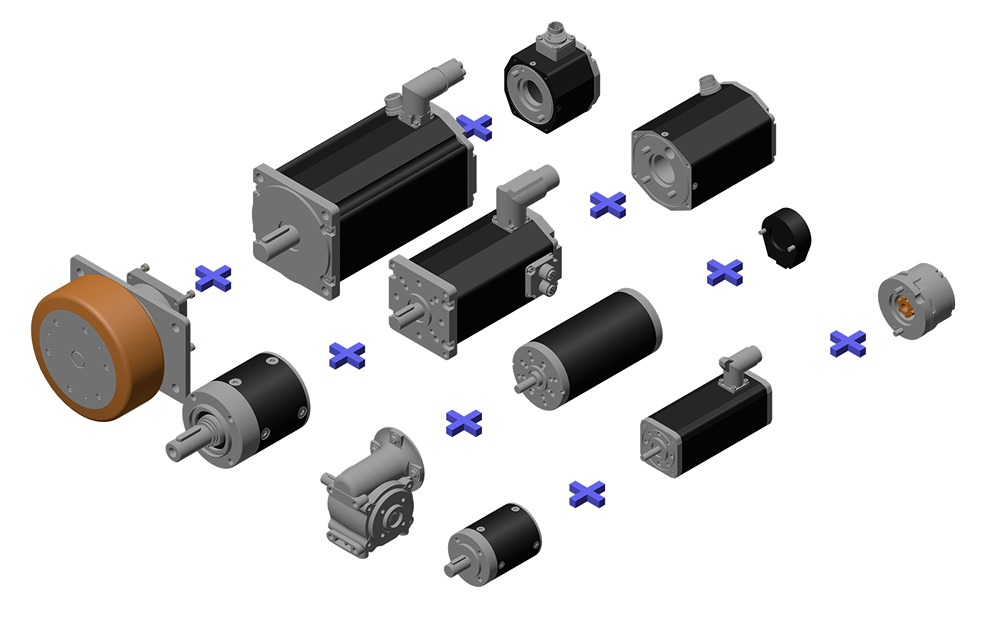
Instead of developing every drive train from separate components, the modular approach allows engineers to select a motor platform and combine it with matching gearboxes, attachments and electronics. This helps reduce integration effort while keeping the drive system adaptable to torque, speed, installation space, feedback, safety, and communication requirements.
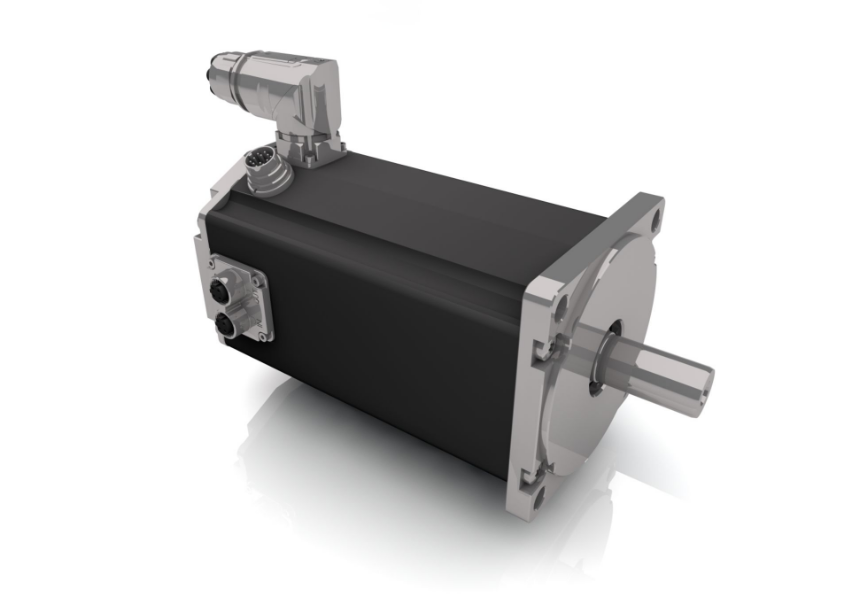
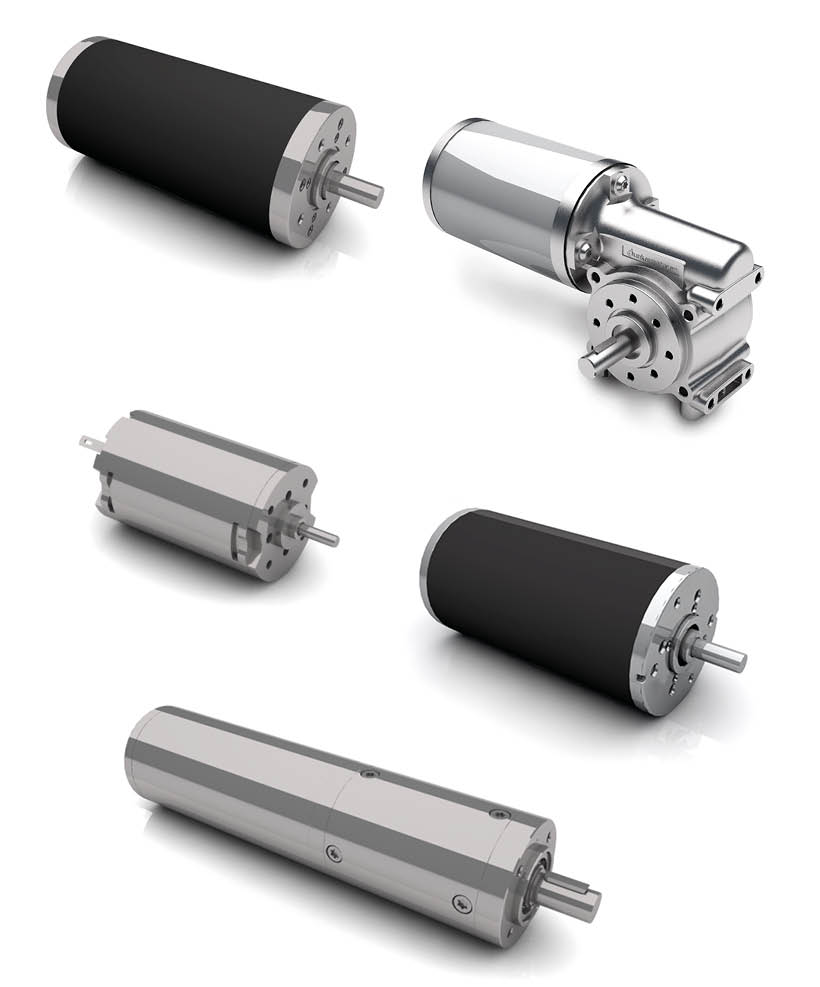
Dunkermotoren offers a broad drive portfolio including brushed DC motors, brushless DC motors, AC motors, linear systems, and gantries. These motor technologies can be combined with planetary or angular gearboxes, integrated or external electronics, brakes, encoders, and further attachments depending on the application.
The modular system supports a wide performance range for rotary and linear drive technology, with Dunkermotoren positioning its portfolio from 1 W up to 5,000 W output power.

The modular system is based on a simple principle: start with the mechanical and electrical requirements of the application, then configure the drive unit around them. Depending on the task, the final system can be a compact motor-gearbox unit, a smart motor with integrated electronics, or a fully matched system including controller, encoder, brake and software configuration.
| System Layer | Typical Options | Engineering Purpose |
|---|---|---|
| Motor Platform | BLDC motors, brushed DC motors, AC motors, Linear motors | Defines basic power, dynamics, efficiency, and motion type. |
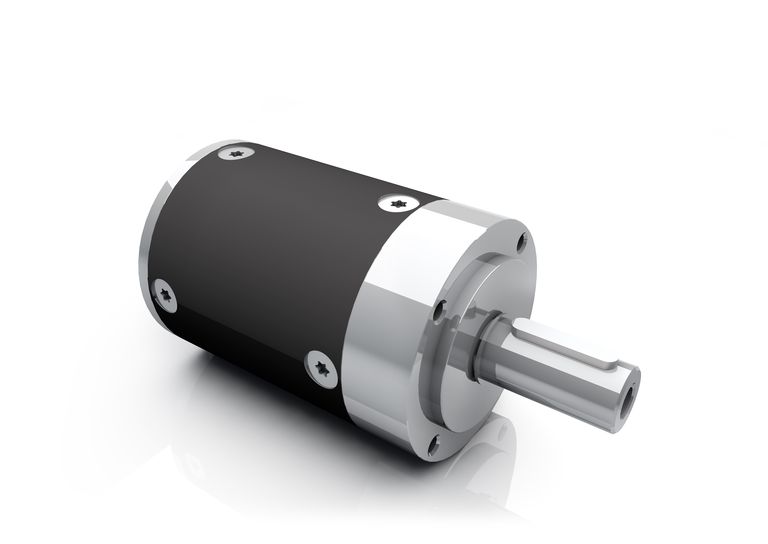
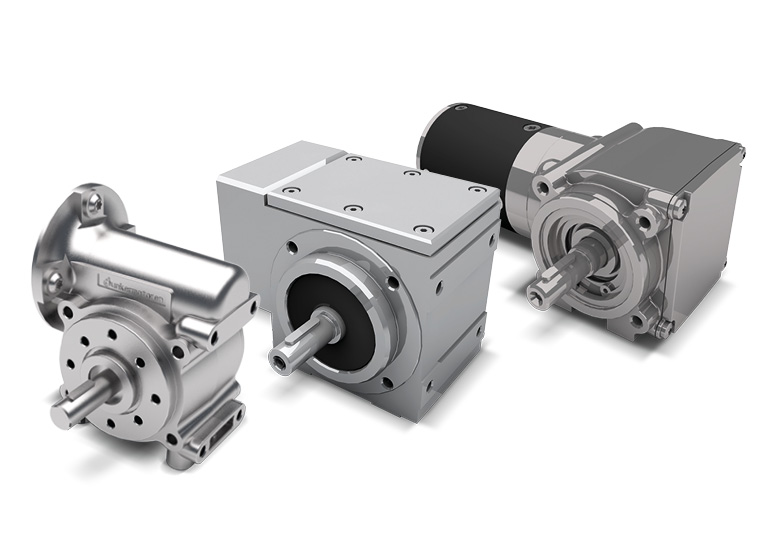
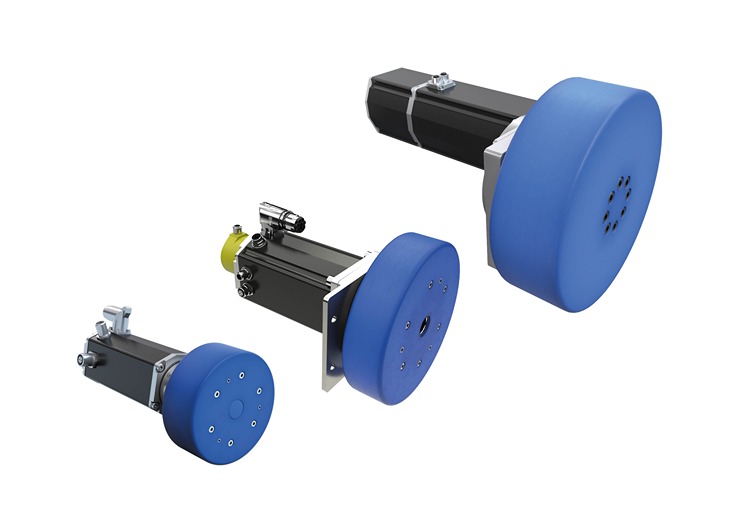
| Gearboxes | Planetary gearboxes, Angular gearboxes, Bevel gearboxes, Worm gearboxes, Spirotec gearboxes, Combi gearboxes, and Hub wheel gearboxes. | Adapts speed, torque, installation direction, and mechanical interface. |
| Feedback | Incremental encoder, Absolute encoder, Hall sensors, Safety encoder | Provides speed, position, commutation, or safety-relevant feedback. |
| Brake | Power on and power off brakes | Supports load holding, stopping behavior, and machine safety concepts. |
| Controller/Drives | Integrated electronics, External controller | Enables speed control, positioning, PLC functions, and communication. |
| Communication | I/O, CANopen, PROFINET, EtherCAT, EtherNet/IP | Connects the drive to the machine control architecture. |
| System Adaptation | Shaft, connector, cable, software, testing, special mechanics | Aligns the drive unit with installation and application requirements. |
Dunkermotoren’s product portfolio is structured to support combinations across different motor types, gearboxes, electronics, brakes, and encoders. The modular concept applies both to standard product configurations and customer-specific system solutions.
| Product Area | Modular Combination Options | Typical Use Case |
|---|---|---|
| BLDC Motors / BG Series | Gearboxes, brakes, encoders, integrated or external electronics | Dynamic automation, mobile robotics, conveyors, packaging, medical and industrial equipment. |
| Brushed DC Motors / GR-G Series | Gearboxes, brakes, encoders, external electronics | Robust and cost-effective drives for adjustment, door, conveyor, and actuator applications. |
| Gearboxes | Planetary, angular, bevel, worm, hub gearboxes, combi gearboxes | Torque and speed adaptation, compact installation, right-angle drive layouts, wheel drive concepts. |
| Controllers | Integrated electronics, external control electronics, gateways | Speed control, positioning, PLC functions, and fieldbus integration. |
| Encoders | Feedback systems for position, speed, direction, or commutation | Closed-loop control, positioning, speed monitoring, and safety-related feedback. |
| Brakes | Motor brakes for BG and GR/G series | Holding functions, controlled stopping, and safety-oriented drive concepts. |
| Linear Systems | Linear direct drives, gantry systems, actuators, spindles, electric cylinders, belt drives | High-dynamic, precise, low-maintenance linear motion. |
| System Solutions | Customer-specific drive systems beyond the modular kit | Pre-qualified, application-specific assemblies with mechanical, electronic, and software adaptations. |
Conveyor systems often require repeatable speed control, robust gearboxes, and compact mechanical integration. A modular motor-gearbox-controller setup allows engineers to adapt speed, torque, and communication without redesigning the entire drive concept.
Medical and laboratory systems frequently require quiet operation, precise control, compact dimensions, and reliable holding or stopping functions. Brakes, encoders, and integrated electronics can be selected according to the required motion behavior and machine architecture.
Packaging machines, machine tools, production equipment, and handling systems benefit from configurable drives because mechanical space, control architecture, and duty cycles often vary significantly between machine modules.
A modular drive system is more than a combination of parts. It is a matched electromechanical unit based on parameters such as torque, speed, duty cycle, voltage supply, communication interface, mounting space, feedback, braking behavior, and software integration.
Dunkermotoren’s Product Finder supports the selection of suitable drive combinations using key parameters such as torque, speed, voltage supply, interfaces, and attachments. For selected combinations, technical data and characteristic curves can be provided for the complete drive unit, not only for individual components.
Where standard combinations are not sufficient, Dunkermotoren’s Systems Experts support customer-specific drive solutions with additional components, specialized gears, control systems, tailored hardware, software adaptations, prototyping, sampling, and system validation.
Selecting the right drive system depends on the full application profile: load, motion cycle, installation space, environmental conditions, supply voltage, control concept, safety requirements, lifetime expectations, and cost targets. The modular system provides the building blocks; the final configuration depends on the machine.
Our application engineers can support the selection of motor, gearbox, brake, encoder, controller, and communication interface for your specific motion task.